
Harmless Habits People Think Are Bad for Their Brain Health
You sip your morning coffee and feel guilty. You catch yourself daydreaming in a meeting and assume your brain is slacking. You fidget, doodle, or talk to yourself and worry that you are harming focus. These harmless habits trigger shame across the US and Europe every day.
Science tells a different story. Researchers at Harvard, the CDC, and European agencies show these behaviors often protect your brain. You will learn how to spot real risks, boost memory naturally, and stop unnecessary worry. Let’s debunk brain myths together with data you can trust.

How to Tell If Harmless Habits Are Actually Helping Your Brain
The CDC reports that 16.9% of US adults aged 45 and older notice worsening memory, a figure that fuels daily anxiety. In Europe, Alzheimer Europe counts 9.1 million people with dementia across the EU27 today. Worry is common, but worry alone does not equal damage. You need objective clues, not guilt, to protect cognitive health effectively.
Track three simple signals after any habit you question. Does it lift mood within ten minutes? Does it restore steady energy without a caffeine crash? Does it sharpen attention for your next task? If you answer yes twice, your brain likely benefits. If fog lasts hours, adjust timing, not the habit itself.
How to Use Daydreaming for Creative Brain Health
Harvard neuroscientists found mice replay recent images during quiet wakefulness, and those replays predict how neurons respond later. This suggests daydreaming shapes brain plasticity, not laziness. The neuroscience of daydreaming shows your visual cortex rehearses memories while you stare out a window. You are consolidating, not wasting time, and your brain rewards this pause.
Use daydreaming with a clear intention to boost creativity each day. Set a timer for five minutes between focused work blocks. Close your eyes, let your thoughts wander freely, then write one useful insight. Research from the University of British Columbia shows that this mind-wandering activates complex problem-solving networks. You improve memory naturally without extra effort, apps, or cost.
How to Drink Coffee Without Guilt: Why It’s Among Harmless Habits Backed by Neuroscience
The FDA states most adults can safely consume up to 400 mg of caffeine daily, about three small cups. The European Food Safety Authority confirms the same 400 mg limit for EU adults, with 200 mg per single dose. That equals coffee served near 158°F or 70°C, not oversized energy drinks that exceed limits quickly.
A PubMed study of 131,821 adults found that 2 to 3 cups of caffeinated coffee were associated with lower dementia risk and modest cognitive gains. Coffee also delivers polyphenols that support gut-brain signaling beyond caffeine alone. These coffee brain benefits help you boost focus daily, protect cognitive health, and enjoy flavor without unnecessary fear.
How to Turn Fidgeting Into a Focus Booster
Teachers told you to sit still, but your nervous system disagrees strongly. Fidgeting raises arousal just enough to sustain attention during dull or long tasks. You tap a pen, shift weight, or squeeze a ball, and slight increases in heart rate deliver more oxygen to your prefrontal cortex quickly and reliably.
Try structured fidgeting at work today for better focus. Keep a textured stress ball at your desk and use it for thirty seconds every ten minutes during calls. Research shows micro-movements prevent attention dips without distracting colleagues nearby. You stay engaged, retain more information, and stop unnecessary worry about looking restless.

How to Practice Talking to Yourself for Better Memory
Self-talk feels awkward at first, yet it works reliably across ages and cultures. When you speak steps aloud, you engage auditory processing and executive control simultaneously. Athletes, pilots, and surgeons use this technique to reduce errors under pressure, because hearing instructions strengthens memory traces better than silent thought alone.
Practice for two minutes daily with simple household tasks first. Say the goal, state the next action, then confirm completion aloud clearly. For example, state I will find keys, check coat pocket, done. This cognitive function habits routine builds working memory steadily. You understand brain science through direct action, not abstract theory alone.
7 Harmless Habits People Wrongly Blame for Brain Fog
People blame coffee, daydreaming, doodling, fidgeting, self-talk, chewing gum, and power naps for brain fog daily. Data shows the opposite trend consistently across peer-reviewed studies. These behaviors often clear the fog when used correctly and moderately. Misuse, like 600 mg caffeine late at night, causes problems, not the harmless habits themselves.
You can reframe each habit today with small swaps. Replace endless scrolling with a five-minute doodle. Trade a third espresso for a twenty-minute nap. Much like the brain health myths we expose here, our biohacking basics guide tackles similar everyday science misconceptions with practical tests you can run at home.

What Science Says About Coffee and Brain Plasticity
Coffee does more than wake you up quickly each morning. Caffeine blocks adenosine receptors, which lets dopamine and glutamate support synaptic plasticity effectively. Moderate intake improves reaction time in healthy adults within minutes. You feel alert because neurons fire more efficiently, not because you are artificially wired or jittery today.
Why Daydreaming Counts as a Harmless Habit for Problem Solving
Daydreaming activates the default mode network, the same system that integrates memories and future planning seamlessly. Georgia Tech research links frequent daydreaming with higher working memory scores in young adults consistently. You solve problems unconsciously while staring at clouds outside. That is productive brain work, not procrastination or simple laziness.
5 Types of Harmless Habits That Improve Cognitive Function
You can group helpful behaviors into five clear types that support different brain systems daily. Sensory micro-breaks include chewing gum or sipping water slowly. Motor releases include fidgeting or standing stretches every mile or 1.6 kilometers walked. Verbal rehearsal covers self-talk aloud, mind-wandering covers daydreaming, and brief restoration covers power naps strategically.
Combine two types daily for layered protection without supplements, apps, or cost. Chew sugar-free gum while walking to a meeting, then daydream for three minutes afterward quietly. This pairing boosts alertness first, then consolidates learning afterward. You create a simple routine that protects cognitive health across both US and European lifestyles effectively.

10 Reasons Doodling Is Not a Distraction But a Brain Tool
Doodling keeps your brain lightly engaged, preventing total shutdown during dull input like long conference calls. It anchors attention gently, improves recall measurably, and lowers stress without effort. You draw spirals or shapes during webinars and remember names better afterward, because visual-motor activity stabilizes arousal without demanding full focus always.
Reasons include stabilizing arousal, externalizing working memory, blocking digital temptation, encouraging visual processing, reducing anxiety, and supporting doodling and memory retention. It requires no tools beyond paper, works in sixty seconds, fits any culture worldwide, and feels genuinely fun. You boost focus daily with a pen, not sheer willpower alone.
6 Everyday Science Myths About Harmless Habits and Brain Aging
Myth one says coffee dehydrates your brain severely every time. Truth is, moderate coffee hydrates similarly to water for most healthy adults. Myth two claims that daydreaming signals early dementia onset. Truth is, structured mind-wandering supports plasticity and creativity. Myth three insists that fidgeting harms kids’ learning permanently. Truth is, it aids attention regulation in classrooms daily.
Myth four says talking to yourself means decline. Truth is, it improves executive function under stress. Myth five claims naps ruin nighttime sleep always. Truth is, ten to twenty-minute naps before 3 p.m. help. Myth six says chewing gum rots focus. Truth is, it raises alertness briefly without harm.
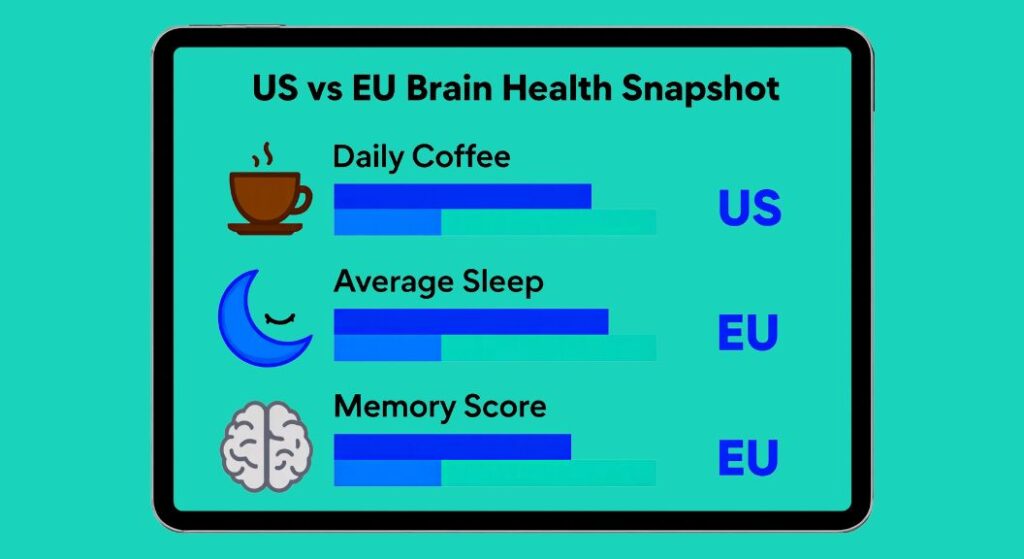
| Fact File: Brain Health Snapshot | United States (CDC/FDA) | Europe (Alzheimer Europe / EFSA) |
|---|---|---|
| Adults noticing memory decline | 16.9% of adults 45+ (2023) | 9.1 million living with dementia in the EU27 |
| Safe caffeine limit | FDA: up to 400 mg/day | EFSA: up to 400 mg/day, 200 mg single dose |
| Dementia prevalence range | Varies by state, 6% to 16% | 4.5% to 22.7% across regions |
Stop Feeling Guilty About These Harmless Habits
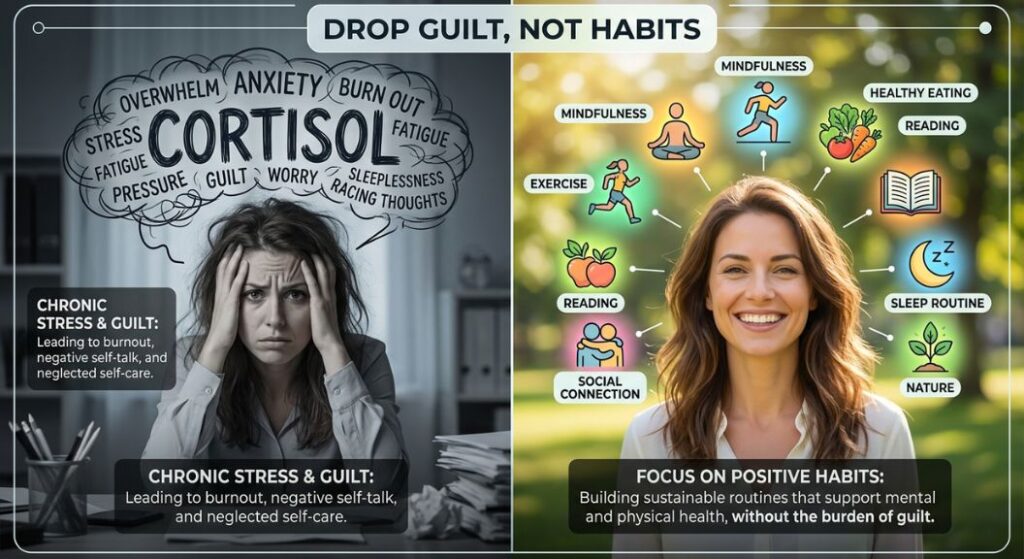
Guilt raises cortisol quickly, which impairs memory more than coffee ever could alone in daily life. The NIH notes chronic stress shrinks hippocampal volume over time through prolonged glucocorticoid exposure. You protect cognitive health better by dropping shame than by dropping harmless habits completely. Relief starts with awareness, not with harsh restriction.
Reframe your inner dialogue starting today with consistent kindness and curiosity. Replace I am damaging my brain with I am giving my brain a micro-reset. Track mood for one week using simple daily notes. Most readers in the US and EU report calmer focus within three days, because reduced self-criticism lowers physiological stress measurably.
Unlock Better Focus With Harmless Habits You Already Have
You do not need new apps or expensive devices to focus better each afternoon. You already daydream, fidget, and sip coffee naturally each day without training. The key is timing, not elimination or guilt. Use caffeine sixty to ninety minutes after waking, not immediately upon rising. Daydream after learning sessions, not before deep work blocks.
Pair habits with a clear context for maximum benefit daily and easily. Chew gum during a twenty-minute commute, about twelve miles or nineteen kilometers in typical traffic. Doodle during webinars at comfortable 68°F or 20°C room temperature. Small adjustments turn automatic behaviors into reliable brain allies without extra effort or cost.
Master Boredom: Why Doing Nothing Rewires Your Brain
Boredom feels uncomfortable, so you reach for your phone instantly without thinking. Yet boredom triggers the brain to seek novelty internally instead of externally. Harvard research shows quiet wakefulness reshapes visual cortex responses, building plasticity over time naturally. You need stillness to integrate learning, not constant digital stimulation every minute.
Schedule boredom on purpose for five minutes daily with clear intention. Sit without stimuli, no music, no scrolling, no talking, just breathing calmly. Notice thoughts arise, then fade naturally without judgment. You train attention stamina gradually, you improve memory naturally, and you debunk brain myths about needing constant input for productivity.
Start Using Short Naps for Brain Recovery
The CDC links poor sleep to higher subjective cognitive decline in adults over forty-five across America consistently each year. A short nap does not replace night sleep, but it restores alertness quickly and safely. NASA studies found twenty-six minute naps improved pilot performance by thirty-four percent during long, demanding missions consistently.
Keep naps brief and early for the best results every day. Set an alarm for fifteen to twenty minutes, ideally before 3 p.m. in both Eastern Time and Central European Time zones. Wake slowly, hydrate with water, and stretch gently afterward. You avoid grogginess, you boost focus daily, and you support long-term brain health without medication.
Is Chewing Gum Really Among Harmless Habits or Secretly Bad for Your Brain?
Chewing gum increases heart rate slightly and delivers more oxygen to the brain quickly and safely each time. A 2025 study found brief activation in attention networks during low-stress tasks consistently across participants. Benefits fade after fifteen to twenty minutes, but researchers observed no harm in healthy adults across different ages.
Choose sugar-free gum to protect teeth and avoid excessive daily sugar intake. Avoid aggressive chewing if you have had jaw pain or TMJ issues historically. For most adults in the US and EU, gum remains a safe, cheap tool for alertness. It is not a miracle cure, but it is not a villain either.
Fact-Minded Verdict: True – Evidence from CDC, FDA, EFSA, Harvard, and PubMed shows these harmless habits are safe and often beneficial for brain health when used moderately.
FAQs:
1. Is daydreaming bad for your brain?
No — structured daydreaming activates your brain’s problem-solving network. Harvard research shows that quiet wakefulness helps consolidate memories and boosts creativity, it does not damage focus.
2. Does drinking coffee every day harm brain health?
No, for most adults. The FDA and EFSA confirm that up to 400 mg caffeine daily (about 3–4 cups) is safe, and a PubMed study of 131,821 people linked 2–3 cups to lower dementia risk.
3. Is doodling a sign of poor attention?
No — doodling keeps your arousal level steady during boring tasks. It supports working memory and recall, which is why many people remember more from meetings when they doodle lightly.
4. Does fidgeting mean you can’t concentrate?
No — fidgeting slightly raises heart rate and oxygen flow to your prefrontal cortex. Micro-movements help you sustain attention during long tasks;, they are not a focus deficit.
5. Is talking to yourself bad for mental health?
No — self-talk engages auditory and executive control systems together. Athletes and surgeons use it to reduce errors, and research shows it strengthens working memory when used intentionally.