How to Build a Data-Driven Wind-Down Routine Without Sleep Tech
Do you struggle to fall asleep despite trying every new gadget on the market? You are not alone in this modern struggle. Millions of people in the US and Europe toss and turn every night. They rely heavily on expensive smartwatches and sleep rings. Yet, these devices often cause more anxiety than actual rest.
Imagine drifting off to sleep naturally. Picture waking up refreshed, knowing you mastered your own biology. You can build a highly effective wind-down routine using simple, tangible metrics. Let us dive into the science of sleep. You will learn how to optimize bedtime without tech and reclaim your nights using proven, evidence-based strategies.

How to Design a Wind-Down Routine Using Simple Data
A solid wind-down routine relies on understanding your body’s natural signals. You do not need a smartwatch to track your evening habits. Instead, focus on subjective data like your mood, physical tension, and core body temperature. According to the CDC (.gov), consistent sleep schedules improve overall health outcomes. You build better sleep habits easily.
Start by noting the time you begin your evening routine without phone distractions. Record the ambient room temperature. The optimal sleeping temperature sits around 65°F (18.3°C). Write down these numbers in a simple notebook. This manual approach helps you spot patterns over time. You quickly learn which daily choices lead to deeper rest.
How to Track Sleep Cues Without Wearables
Your body sends clear signals when it needs rest. You must learn to listen to these natural sleep cues. Heavy eyelids, a slight chill, or frequent yawning all indicate rising melatonin levels. A recent report from WHO Europe highlights that prioritizing natural circadian rhythms reduces chronic stress. You track these physical changes effortlessly.
Create a simple tally system on a bedside notepad. Mark a line every time you yawn after 8:00 PM. Notice when your hands and feet feel colder. These subtle shifts mean your core temperature is dropping. By paying attention to these cues, you master manual sleep tracking. This awareness forms your foundational sleep hygiene routine.
How to Use a Pen-and-Paper Sleep Log for Your Wind-Down Routine
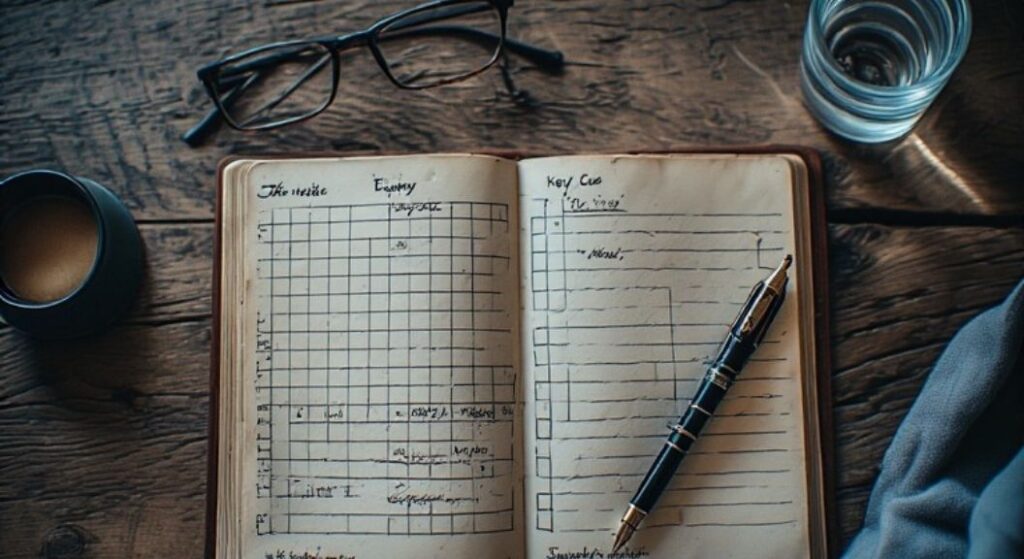
Writing down your evening activities provides powerful insights. A basic pen-and-paper sleep log outperforms many digital apps. Much like the science myths surrounding extreme water intake, sleep tech has its own misconceptions regarding accuracy. You only record three things: your last meal time, your lights-out time, and your estimated sleep latency. This habit changes everything.
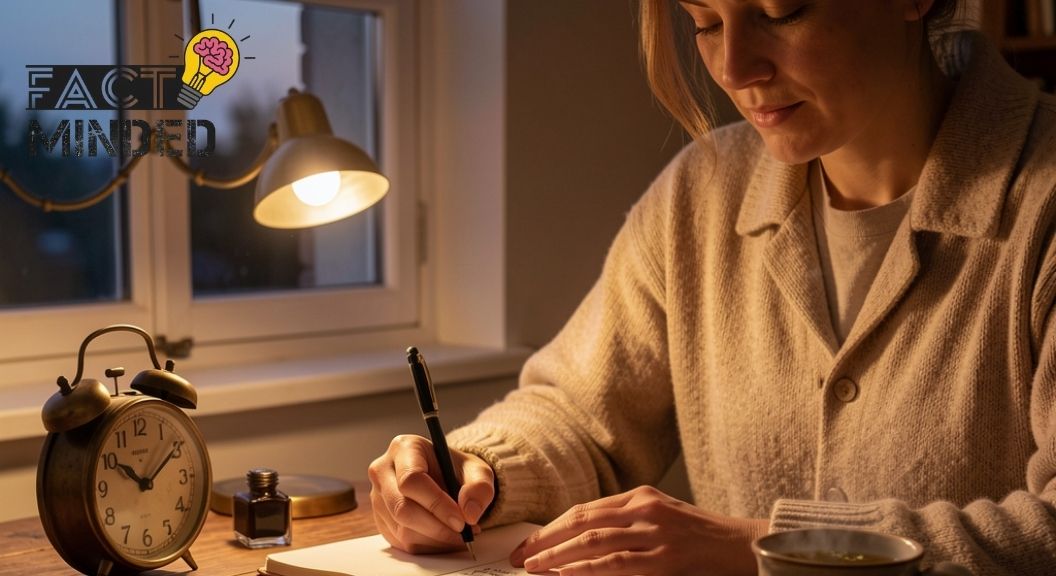
Keep your log right next to your bed. Spend two minutes each morning reviewing the previous night. Did you feel stressed before bed? Did you drink coffee late in the afternoon? This method helps you create a data-driven routine effortlessly. You spot hidden trends quickly. Writing by hand also helps lower your heart rate.
How to Time Light and Food for Faster Sleep Onset
Light and food act as the strongest drivers for your internal clock. You must manage them carefully to ensure a smooth wind-down. Stop eating at least three hours before your planned bedtime. A study from Harvard University (.edu) confirms that late-night eating disrupts your body’s cooling process. Digestion keeps your core temperature high constantly.
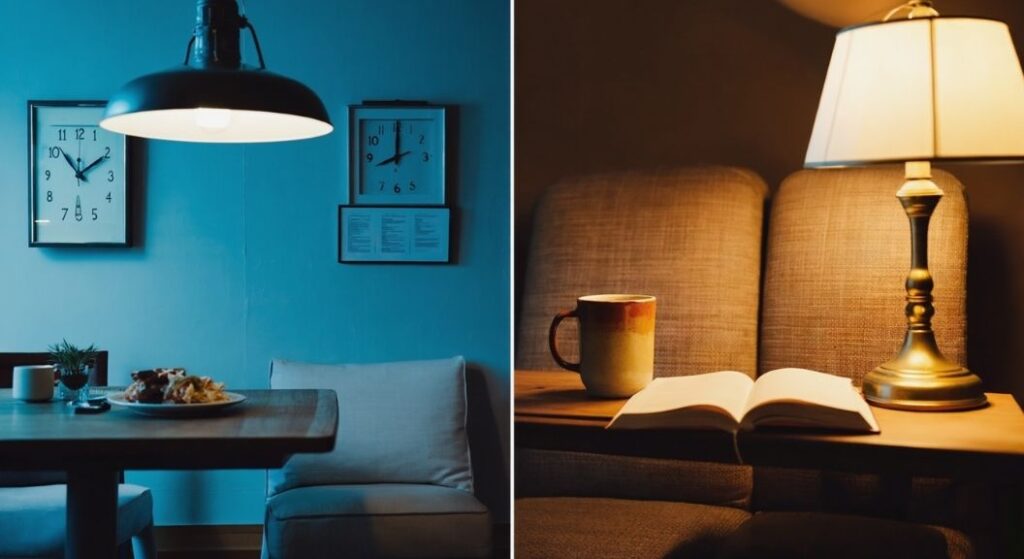
Next, carefully manage your light exposure. Dim your overhead lights two hours before bed. Switch to warm, amber lamps to encourage melatonin timing. Research published in PubMed shows that blue light suppresses melatonin production significantly. You improve sleep quality naturally when you mimic the setting sun. These changes drastically reduce your time awake.

Data Shows: How to Measure Your Wind-Down Routine Success in 7 Days
You measure your progress quickly without complex software. Focus strictly on how energetic you feel upon waking. Track your morning alertness on a simple scale from one to ten. Within just one week, a consistent bedtime routine yields noticeable improvements. You see a clear reduction in sleep latency and increased morning energy.
Compare your daily energy scores with your evening habits. Did a warm bath help you score a nine? Did working late result in a four? This straightforward data collection makes biohacking for beginners highly accessible. Review the table below to see how a simple tracking method reveals powerful insights about your daily choices.
| Day | Last Meal Time | Lights Out | Morning Energy (1-10) | Key Evening Trigger |
| Monday | 7:00 PM | 10:30 PM | 8 | Warm Bath |
| Tuesday | 8:30 PM | 11:00 PM | 5 | Late Screen Time |
| Wednesday | 6:30 PM | 10:15 PM | 9 | Reading a Book |
| Thursday | 7:00 PM | 10:30 PM | 8 | Stretching Routine |
5 Types of Wind-Down Routine Triggers That Work Without Tech
You need specific triggers to signal your brain that the day has ended. These triggers easily replace the need for digital prompts. Choose activities that lower your heart rate and promote deep relaxation. A good trigger requires zero electricity and engages your physical senses. You build these into your daily schedule for restorative rest.
Light Dimming and Its Impact on Melatonin
Controlling your environment’s brightness is your most powerful tool. As the sun sets, your home should follow suit. Dimming the lights triggers your pineal gland to release melatonin. This hormone serves as the master conductor for your circadian rhythm habits. Using candles creates a calming atmosphere. It prepares your mind and body for rest.
Breathwork as a Natural Sleep Signal
Deep, rhythmic breathing acts as an instant off-switch for your nervous system. You practice the 4-7-8 breathing method anywhere. Inhale for four seconds, hold for seven, and exhale for eight. This technique provides excellent cortisol reduction. Lowering your stress hormones remains crucial for a peaceful night. Breathwork serves as a perfect, free tech alternative.
7 Best Low-Tech Tools for a Data-Driven Wind-Down Routine
You gather incredible data using ordinary household items. Consider these top tools to build better sleep habits:
- A simple thermometer tracks cooling trends.
- An analog clock prevents blue light exposure.
- A heavy blanket provides deep pressure.
- A paper journal records daily thoughts. These basic tools easily rival any modern smart device.
You must also consider internal interventions to improve rest.
- Chamomile tea lowers your heart rate.
- Valerian root acts as a natural sedative.
- A bedside notepad captures late-night anxieties. You track which method produces the best results. These sleep tech alternatives empower you to take total control over your nightly recovery process.

10 Reasons Your Current Wind-Down Routine Fails
Many evening routines fail because they lack true consistency. People often attempt to change too many habits at once. You might eat dinner too late one night and skip your stretching the next. Inconsistency confuses your internal clock entirely. A successful wind-down routine requires strict discipline and a predictable sequence of events every evening.
Another major failure point involves hidden stress. You might put away your phone, but you still ruminate on work problems. This internal anxiety blocks your natural sleep cues completely. You consciously reduce evening stress through deliberate effort. Stop treating your pre-sleep time as a workday extension. Protect your evening hours fiercely to ensure recovery.
3 Beginner Biohacking Mistakes in Evening Routines
New biohackers often overcomplicate their evening plans. They try to stack a sauna session, cold plunge, and intense meditation into one single hour. This hyper-focus creates performance anxiety around sleep. Biohacking for beginners focuses on simplicity and ease. You coax your body into rest, not force it through a rigorous, stressful checklist of activities.
Another mistake involves ignoring room temperature completely. People focus on supplements but sleep in a room that is 72°F (22.2°C). This warmth prevents your core temperature from dropping properly. Finally, many beginners fail to track their subjective feelings. They chase perfect metrics but ignore morning fatigue. Always prioritize your physical sensations over rigid rules.

Stop Relying on Sleep Apps to Build a Wind-Down Routine
Staring at a screen to track your sleep directly harms your progress. Sleep apps emit blue light and stimulate your brain with notifications. You cannot effectively wind down while checking your sleep score from the previous night. This tech dependency creates a harmful cycle of anxiety and poor rest. You must break free from smartphones.
True sleep optimization comes from internal awareness, not external validation. When you delete the apps, you tune into your own biology. You start noticing the subtle signs of physical fatigue. You begin to trust your body’s natural rhythms again. This mental shift completely transforms your evenings and significantly improves your overall sleep quality naturally.
Start Using Temperature and Breath to Hack Sleep
Temperature manipulation offers a powerful, data-backed way to hack your rest. Taking a hot shower ninety minutes before bed draws heat to your skin. When you step out, your core temperature plummets rapidly. This rapid cooling mimics the natural drop that occurs during deep sleep. This trick reliably shortens your sleep latency every single time.
Combine this temperature drop with focused breathwork for maximum effect. Box breathing calms your vagus nerve instantly. Inhale, hold, exhale, and hold for four seconds each. This practice clears your mind of lingering daytime worries. Together, temperature and breath form the ultimate low-tech strategy. You track these interventions easily in your paper log every night.
Unlock Deeper Sleep With a Data-Driven Wind-Down Routine
Consistency remains the ultimate key to deep, restorative rest. When you perform the same sequence nightly, your brain anticipates sleep. You can condition yourself to fall asleep faster. A data-driven routine proves that you do not need expensive gadgets to achieve this. Your simple paper log provides all the required evidence you need to succeed.
Review your data weekly to refine your approach. If you notice a specific tea helps you wake up feeling a nine, keep it. If reading a thriller novel keeps you awake, swap it for non-fiction. This continuous refinement helps you master your sleep habits. You build a personalized system that guarantees better rest over time.
Master Your Evening Without Blue Light Trackers
You do not need smart glasses to know that blue light disrupts your rest. Common sense and a dimmable lamp work just as well. Make a hard rule to turn off all overhead lighting at 8:00 PM. Switch entirely to floor lamps or reading lights. This physical action signals a clear boundary for nighttime recovery.
Treat your evening environment like a sacred space. Remove televisions and laptops from your bedroom entirely. Keep your bedroom strictly for sleep. By eliminating the sources of blue light, you eliminate the need for trackers. You fall asleep faster because your environment supports your biology. You finally conquer your sleep struggles with pure common sense.

Fact Check: Is a Wind-Down Routine Effective Without Sleep Tech?
Absolutely. The reliance on digital trackers makes us ignore our fundamental biology. Humans slept perfectly well for millennia without smartwatches telling them how to do it. By tracking simple metrics like room temperature, meal times, and morning energy on paper, you achieve superior results. You reduce your stress and engage with your natural sleep cues effectively.
A low-tech approach removes the anxiety associated with sleep scores. It forces you to listen to your body instead of a screen. You clearly optimize bedtime without tech by maintaining strict consistency and managing your light exposure. The data you collect yourself serves as the most valuable, reliable tool you possess for long-term health.
Fact-Minded Verdict: True – Manual sleep tracking utilizing physiological cues and pen-and-paper logs eliminates tech-induced anxiety and effectively improves sleep latency.
FAQs:
1. What is a good wind-down routine without a phone?
A reliable tech-free routine involves dimming lights, practicing 4-7-8 breathwork, and reading a physical book to naturally lower cortisol. This simple transition signals your brain to rest, directly improving how fast you fall asleep.
2. How can I track my sleep quality without a wearable device?
You capture excellent subjective data by maintaining a brief pen-and-paper bedside log every morning. Recording your last meal time, lights-out time, and waking energy levels reveals clear sleep patterns without causing screen-induced anxiety.
3. Do sleep trackers actually help you sleep better?
While wearables provide interesting metrics, they often trigger sleep performance anxiety that keeps your mind racing at night. Trusting your body’s natural physical cues, like a drop in core temperature and heavy eyelids, usually leads to deeper, more peaceful rest.
4. What are the best natural alternatives to sleep apps?
Basic household tools like amber reading lamps, weighted blankets, and standard room thermometers provide excellent environmental control. These low-tech options help you optimize your bedtime safely without exposing your eyes to disruptive blue light.
5. Why is a wind-down routine important for sleep hygiene?
Your brain requires a gradual physiological shift to properly align with your natural circadian rhythm each night. A consistent evening schedule predictably lowers your heart rate and core temperature, setting the biological stage for truly restorative recovery.